MRCOOL DIY 5th Generation 12k 115V
- Best for
- Best overall 115V
- Cooling
- 12,000 BTU/h
- SEER2
- 23.5 SEER2
- HSPF2
- 10.2 HSPF2
- Voltage
- 115 V
- Install
- DIY install
- Score
- 8.8 / 10
Guide
If you want a mini split without running a new 240-volt line, a 115-volt model is the easy way in, and for most people the MRCOOL DIY 12,000 BTU is the one to buy. Two things to know before you shop: these systems are sized for one room, and "115 volts" doesn't mean any wall outlet will do. Most of them need a circuit of their own, and usually a 20-amp one. Every pick below links to its full specs and to a listing where you can buy it.
Source-backed picks
These picks are ranked on fit and evidence. When an exact retail offer exists, we show it; when it does not, we route you to installation quotes instead.
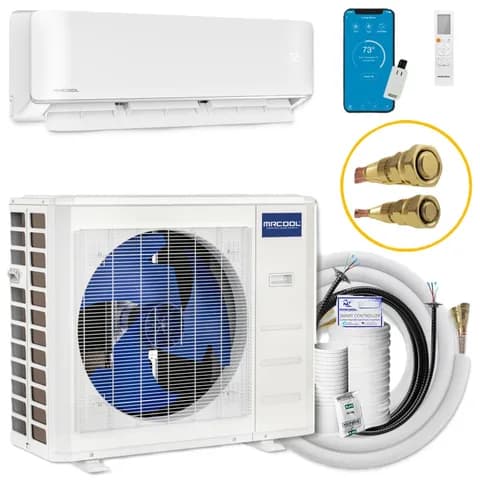
SplitAtlas score 8.8 / 10
Paid link
Check price at HVACDirectReference-only price
Last seen at HVACDirect on Jul 27, 2026: $2,359. This is not a live price.
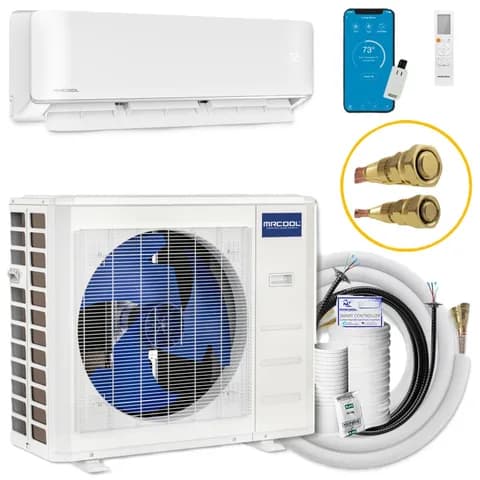
SplitAtlas score 8.6 / 10
Paid link
Check price at HVACDirectReference-only price
Last seen at HVACDirect on Jul 27, 2026: $2,329. This is not a live price.
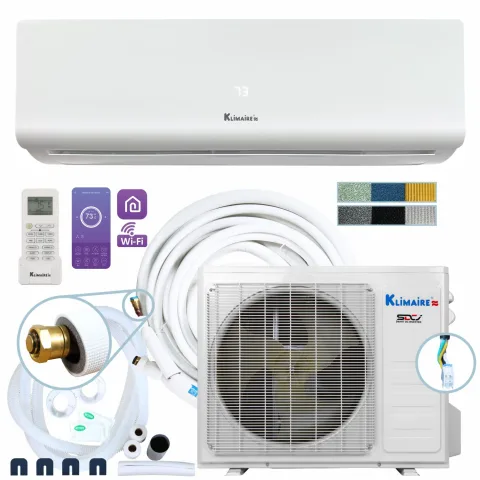
Klimaire / Klimaire KIWQ-KOIQ DIY
SplitAtlas score 8.4 / 10
No current offer in our data
We do not have a current exact retail offer for this system in our data.
Get installation quotes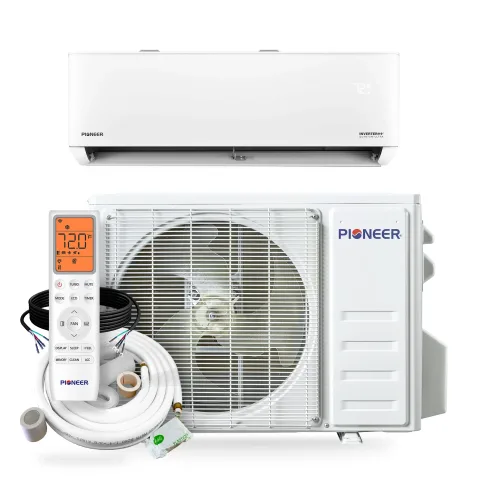
SplitAtlas score 8.1 / 10
Compare installed quotes
Our data has current retail context for this system, but no exact paid guide link to route here.
Get installation quotes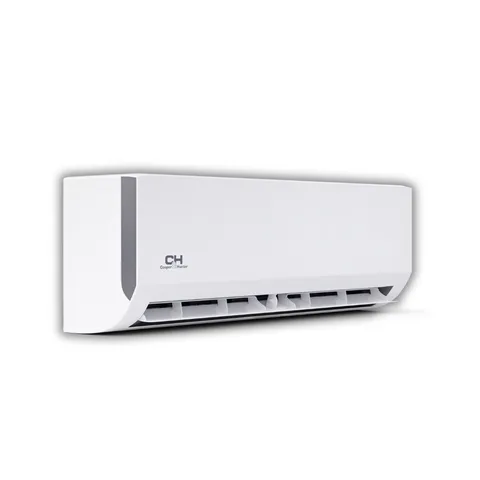
Cooper & Hunter / Olivia Series
SplitAtlas score 8.2 / 10
No current offer in our data
We do not have a current exact retail offer for this system in our data.
Get installation quotesRelated pages
The appeal is simple: you skip the panel work. A 240-volt circuit can mean a new double breaker, heavier wire, and sometimes a panel upgrade. A 115-volt unit avoids most of that, which is why these are popular in apartments, additions, and older houses whose panels are already full - see best mini splits for an apartment and for a room addition.
The trade is size. These systems top out around 12,000 BTU, which is plenty for a bedroom, an office, a small living room, or an addition. If the sizing calculator says your room needs more, you're shopping for a 230-volt system.
This is the part the marketing skips. A 115-volt mini split almost always needs its own circuit, and about seven in ten need a 20-amp one rather than the 15-amp circuit many household outlets are on. None needs more than 20 amps.
The figure that decides it is printed on the outdoor unit: the minimum circuit ampacity, which is simply the circuit size the unit needs. Each pick below tells you what it needs, and the electrical lookup covers every model we list. Unless you already have a suitable spare circuit, budget for an electrician.
The MRCOOL DIY 5th Generation 12k 115V is the one we'd start with. It pairs 115-volt power with refrigerant lines that come pre-filled and connect without a vacuum pump, so the whole job is within reach of a handy homeowner, and MRCOOL's warranty still holds if you do it yourself. EPA's Section 608 guidance says connecting pre-charged lines still requires technician certification, so check that before you plan a self-install.
It keeps heating down to -13F, which makes it a real four-season system rather than an air conditioner with a heat setting. Plan on a dedicated 20-amp circuit.
For a bedroom or a home office, the MRCOOL DIY 5th Generation 9k 115V installs the same way at a size that won't overpower a small room. Don't choose it to save on wiring, though: it needs the same 20-amp circuit as the 12k. Let the sizing calculator decide between them.
The Klimaire DIY 12k 115V is the other system here you can install yourself, with the same pre-filled lines and the same cold-weather rating as the MRCOOL. It needs a 20-amp circuit too. Its smaller sibling, the Klimaire DIY 9k 115V, is the only DIY pick on this page that can run on a dedicated 15-amp circuit. Register either one within 45 days to get Klimaire's longer warranty; the best DIY mini splits guide has the terms.
If you're paying for the install anyway, the Pioneer Quantum Ultra 12k 115V matches the DIY picks on cold-weather heating, down to -13F, and Pioneer sells it direct. Your electrician sizes its circuit from the label on the outdoor unit.
Most 12,000 BTU systems on 115 volts need a 20-amp circuit. The Cooper & Hunter Olivia Series 12k 115V is the exception worth knowing about: it runs on a dedicated 15-amp circuit, and it's the most efficient 12,000 BTU system that does, of those we can link you to. One detail matters here: the breaker has to be 15 amps, not 20. It keeps heating down to -13F and needs a professional install. The Cooper & Hunter Olivia Midnight Series 12k 115V has the same ratings and the same circuit needs.
If running cost matters most, the ACiQ Standard 9k 115V has the highest efficiency rating of any 115-volt system we can link you to, and it keeps heating down to -13F. It needs a professional install and a 20-amp circuit. The ACiQ Standard 12k 115V is a step down in efficiency on the same circuit. One 115-volt unit rates higher, the GREE Vireo R32 9.1k 115V, but we can't link to a listing for it yet.
| System | Who installs it | Circuit it needs | Keeps heating to | Cooling efficiency (SEER2) |
|---|---|---|---|---|
| MRCOOL DIY 12k | You | 20 amp | -13F | 23.5 |
| MRCOOL DIY 9k | You | 20 amp | -13F | 23.6 |
| Klimaire DIY 12k | You | 20 amp | -13F | 23 |
| Klimaire DIY 9k | You | 15 amp | -13F | 23 |
| Pioneer Quantum Ultra 12k | A pro | See its label | -13F | 23 |
| Cooper & Hunter Olivia 12k | A pro | 15 amp, on a 15-amp breaker | -13F | 23.2 |
| ACiQ Standard 9k | A pro | 20 amp | -13F | 24.5 |
A higher SEER2 means lower cooling bills.
We only pick systems we can link to an exact listing, and no brand pays for placement. The ratings come from the manufacturers' own documents and their efficiency certificates; our data sourcing page explains how we check them.
Can a mini split run on 110V/115V? Yes. Single-room systems up to about 12,000 BTU come in 115-volt versions. Anything bigger needs 230 volts.
Does a 115V mini split plug into a regular outlet? Usually not. It almost always needs a circuit of its own, and about seven in ten need a 20-amp one rather than the 15-amp circuit many outlets use. Check the model's circuit size before you count on an existing circuit.
What size mini split can run on 115V? Up to about 12,000 BTU. Beyond that you need 230 volts.
Can a 115V mini split heat a room in winter? Yes. Every pick on this page keeps heating down to -13F, though it puts out less heat as it gets colder. In a very cold climate, read the cold-weather guide before you choose.
What's the best 115V mini split? The MRCOOL DIY 12k, because it pairs standard voltage with an install you can do yourself. If you're hiring a pro, look at the Pioneer Quantum Ultra 12k. If running cost matters most, the ACiQ Standard 9k. And if you only have a 15-amp circuit, the Cooper & Hunter Olivia 12k.