Mitsubishi Electric M-Series GS 12k 230V
- Best for
- Best overall
- Cooling
- 12,000 BTU/h
- SEER2
- 25.6 SEER2
- HSPF2
- 10.7 HSPF2
- Voltage
- 208/230V
- Install
- Professional install
- Score
- 8.7 / 10
Guide
There's no single best mini split. There's a best one for how you'll install it, what you want to spend, and how cold your winters get. Here are our picks for the situations that actually decide the purchase. Every pick links to its full specs and current pricing.
Source-backed picks
These picks are ranked on fit and evidence. When an exact retail offer exists, we show it; when it does not, we route you to installation quotes instead.
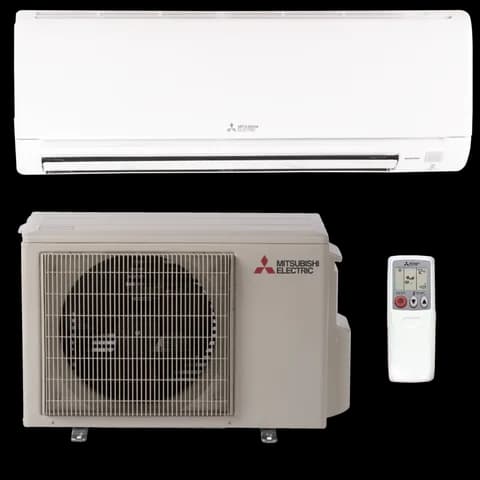
Mitsubishi Electric / M-Series GS
SplitAtlas score 8.7 / 10
No current offer in our data
We do not have a current exact retail offer for this system in our data.
Get installation quotes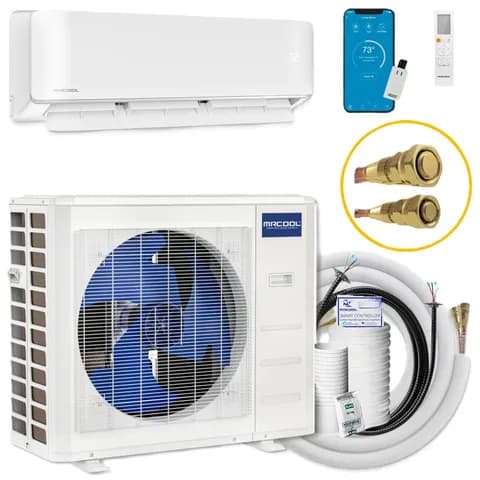
SplitAtlas score 8.8 / 10
Paid link
Check price at HVACDirectReference-only price
Last seen at HVACDirect on Jul 27, 2026: $2,359. This is not a live price.
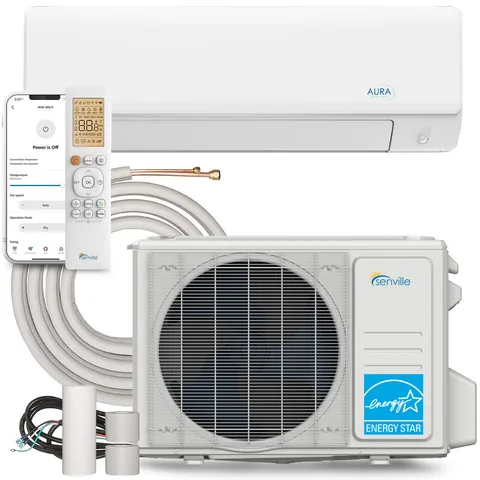
SplitAtlas score 8.3 / 10
Compare installed quotes
Our data has current retail context for this system, but no exact paid guide link to route here.
Get installation quotes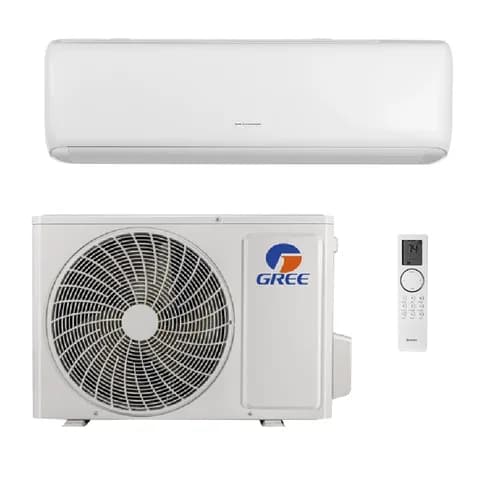
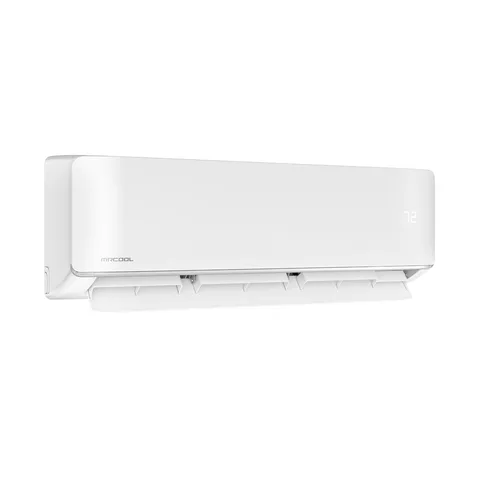
MRCOOL / DIY 5th Gen Hyper Heat
SplitAtlas score 8.4 / 10
See specs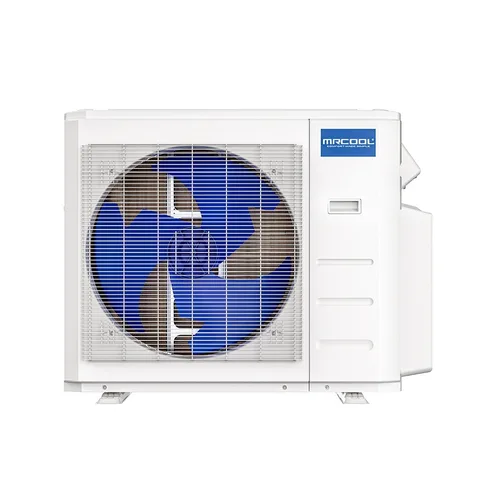
MRCOOL / DIY 5th Gen Multi-Zone
Certified per indoor-unit combination, not per outdoor unit
Paid link
Check price at HVACDirectReference-only price
Last seen at HVACDirect on Jul 20, 2026: $1,555. This is not a live price.
Certified per indoor-unit combination, not per outdoor unit
Related pages
If you want a system you can forget about for 15 years, Mitsubishi is the safe answer. It's the reliability and cold-climate benchmark the other brands are measured against, with the best technical documentation in the category. It's a premium system installed by dealers, and a professional install is a condition of the warranty, so it costs more all-in. See the Mitsubishi Electric M-Series GS 12k 230V and, if you're weighing it against doing the job yourself, our Mitsubishi vs MRCOOL DIY comparison.
If you'll do the work yourself, the MRCOOL DIY 5th Generation 12k 115V is the one built for it. Its refrigerant lines come pre-filled and connect without a vacuum pump or gauges, the 9,000 and 12,000 BTU versions run on an ordinary 115-volt circuit, and the warranty holds when you install it yourself. EPA's Section 608 guidance says connecting pre-charged lines still requires technician certification. Once you count the installer bill you're skipping, it's the cheapest path to a comfortable room, and it's efficient to heat with, too. The DIY vs professional guide will tell you whether a self-install is right for you.
The Senville AURA 12k 230V is the value surprise: close to premium efficiency and genuine cold-climate heating down to -22F, at a direct-to-consumer price that undercuts most of the field. It needs a professional install on a 230-volt circuit.
When the up-front price rules, the GREE Livo R32 12k 230V is the budget line from Gree, one of the world's largest air-conditioner makers. Its efficiency is middle-of-the-road, which is the trade-off, so it's the pick when you're hiring the install anyway and want the cheapest reliable equipment. For a little more money, the GREE Vireo R32 12k 230V is the step up.
Every heat pump makes less heat as it gets colder. The MRCOOL DIY 5th Gen Hyper Heat 12k 230V is built to keep delivering down to deep cold, and you can install it yourself, which is a rare combination. If winter heating is the job, it's our pick; the cold-weather guide shows how to match its rating to your winters. If a contractor is installing it, Mitsubishi's Hyper-Heating line is the benchmark for deep-cold heating, and the Senville AURA is the value alternative; see best cold-climate mini splits.
To heat and cool several rooms from one outdoor unit, the MRCOOL DIY 5th Gen Multi-Zone 230V systems run from three to six zones and keep the DIY install. Size each indoor unit to its own room rather than adding up square footage, and read single-zone vs multi-zone first: two right-sized single-zone systems often beat a lightly loaded multi-zone on efficiency, and if one breaks, the other keeps running.
We pick from the manufacturers' own ratings and efficiency certificates, and where a marketing figure disagrees with the certificate, we go with the certificate. That includes size: a "24k" that's certified at 23,000 BTU gets called what it is. No brand pays for placement. Our data sourcing page explains how we check the numbers.
The right mini split starts with the right size. Get your target from the sizing calculator, then filter every system we list by size, efficiency, price and install type in the product finder. New to mini splits? Start with how mini splits work, then walk through the whole decision in the buying guide.
What is the best mini split brand? Mitsubishi or Fujitsu for a premium, dealer-installed system; Gree and Senville for high-efficiency value; MRCOOL for installing it yourself. The best brand for you depends on who's installing it and your budget; see our brand pages.
What's the best mini split for the money? If a pro is installing it, the Senville AURA gives you near-premium efficiency at a value price. If you're installing it yourself, the MRCOOL DIY is the cheapest once you skip the installer bill.
What's the best DIY mini split? The MRCOOL DIY line: pre-filled lines that connect without a vacuum pump, 115-volt options, and a warranty that holds when you install it yourself.
What's the most efficient mini split? The smallest ones. 6,000 BTU systems from Carrier, Mitsubishi and Blueridge top the efficiency ratings. At the common 12,000 BTU size, Fujitsu's AIRSTAGE Orion XLTH+ leads, with Fujitsu's standard XLTH and Mitsubishi's FX close behind. Compare them side by side in the product finder.
What size mini split do I need? Size it to the room's heat loss, not a rule of thumb; the sizing calculator does this. An oversized system switches on and off too often and leaves the room clammy.