Mitsubishi Electric M-Series FX Deluxe Hyper-Heat 12k 230V
- Best for
- Best overall cold-climate
- Cooling
- 12,000 BTU/h
- SEER2
- 29.9 SEER2
- HSPF2
- 12.4 HSPF2
- Voltage
- 208/230V
- Install
- Professional install
- Score
- 9.3 / 10
Guide
If your winters regularly drop below zero, you want a mini split that still puts out real heat on a 5F morning and keeps running well below that. Mitsubishi's Hyper-Heating line is the benchmark, Fujitsu's XLTH is the most efficient of our picks in deep cold, and if you're installing it yourself, the MRCOOL DIY Hyper-Heat is the one to get. Every mini split with a heating mode is a heat pump, and every one loses output as the air outside gets colder. The systems below are built to lose the least. We ranked them on the two numbers that decide it; the "hyper heat" label on the box counts for nothing.
Source-backed picks
These picks are ranked on fit and evidence. When an exact retail offer exists, we show it; when it does not, we route you to installation quotes instead.
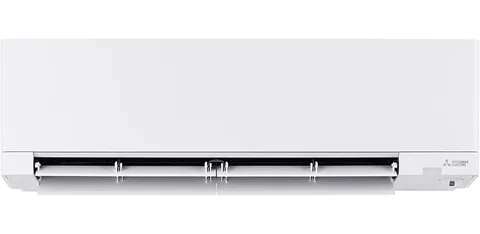
Mitsubishi Electric / M-Series FX Deluxe Hyper-Heat
SplitAtlas score 9.3 / 10
No current offer in our data
We do not have a current exact retail offer for this system in our data.
Get installation quotesBlueridge / Blueridge XS6 Max Efficiency
SplitAtlas score 9.0 / 10
Compare installed quotes
Our data has current retail context for this system, but no exact paid guide link to route here.
Get installation quotes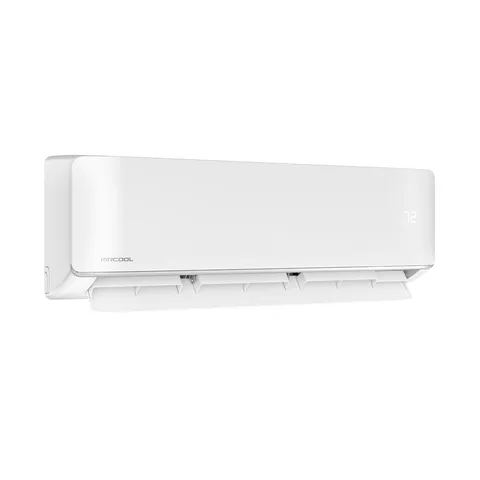
MRCOOL / DIY 5th Gen Hyper Heat
Related pages
| Pick | Coldest rated heating | Heat delivered at 5F | Efficiency at 5F (COP) | How you get it |
|---|---|---|---|---|
| Mitsubishi Electric M-Series FX Deluxe Hyper-Heat 12k 230V | -22F | 16,200 BTU | 2.2 | Dealer-installed |
| Fujitsu AIRSTAGE Orion XLTH+ 9k 230V | -22F | 17,000 BTU | 2.48 | Dealer-installed |
| LG ARTCOOL Deluxe R-32 12k 230V | -31F | Unconfirmed | Unconfirmed | LG-authorized sellers, pro install |
| Blueridge XS6 Max Efficiency 12k 230V | -22F | 13,500 BTU | 2.0 | Sold online, pro install |
| MRCOOL DIY 5th Gen Hyper Heat 18k 230V | -22F | 18,000 BTU | 1.99 | DIY, precharged lines |
A COP of 2.0 means the system makes twice as much heat as a resistance heater would from the same electricity, even at 5F.
Start with the cold your area plans for: the temperature your heating has to handle on a normal hard winter night, not the record low. Local building codes list it, and any installer will know it. Then compare it with how cold a system keeps running:
The coldest rating is where a system still runs, not how much it delivers there. A unit rated to -22F may be making a fraction of its nameplate heat by then, which is why the next number matters more.
5F is the standard low-temperature test point, so it's the fairest way to compare systems. Two things matter there. The first is how much heat is left: the best cold-climate systems speed up in the cold and can put out more heat at 5F than on a mild day, while weaker ones fade badly. The second is what that heat costs to make, which the COP at 5F tells you. Higher is cheaper on the coldest days.
A few systems publish figures colder than 5F, and those are the best evidence of all. NEEP's cold-climate heat pump list shows the Fujitsu XLTH+ 9k still delivering more than its nominal size at -22F, and the Mitsubishi FX 12k about two-thirds of its mild-day rating. Brands publish these numbers unevenly, and some don't publish heat at 5F at all. Each model page shows exactly what the manufacturer documents, and the cold-weather performance guide explains how to read it.
If you want the safest bet for a hard winter, this is it. Mitsubishi's Hyper-Heating (H2i) line has the best-documented deep-cold performance in the category, and the Mitsubishi Electric M-Series FX Deluxe Hyper-Heat 12k 230V puts out more heat on a 5F morning than its rating on a mild day. It keeps running down to -22F, and it's efficient doing it. It's a premium system installed by dealers, so get installation quotes to price it for your home.
Whether Hyper-Heat costs you everyday efficiency depends on the line. The FX doesn't: it's more efficient than Mitsubishi's standard FS as well as rated colder. In the GS line it does: the Hyper-Heat version keeps heating 9 degrees colder but is less efficient in winter. So buy it for the cold, not the badge. We compare the two GS versions in Mitsubishi standard vs Hyper-Heat.
The Fujitsu AIRSTAGE Orion XLTH+ 9k 230V is sold as a 9,000 BTU system and behaves like a much bigger one in the cold. It puts out nearly twice its nominal size at 5F, and it's the most efficient of our picks when it's that cold outside. Even at -22F, NEEP's list shows it delivering more heat than its nominal size. Like the Mitsubishi, it's installed by dealers (get installation quotes). If quotes for the two come in close, it's a genuine alternative for severe winters.
The LG ARTCOOL Deluxe R-32 12k 230V is one of the few single-zone systems rated to keep heating at -31F. There's one catch: its heat figures at 5F don't agree between LG's own documents and its certificate, so don't size a cold home on them until that's settled. It needs a professional install, and LG voids the warranty on online purchases from sellers it hasn't authorized, so check the seller first (does buying online void the warranty?). The LG ARTCOOL Deluxe R-32 9k 230V carries the same -31F rating and is even more efficient, for smaller rooms.
If you want documented deep-cold heating without paying for a premium badge, the Blueridge XS6 Max Efficiency 12k 230V is the value route. It puts out more heat at 5F than its size suggests, keeps running to -22F, and you can buy it online, though it needs a professional install.
The Carrier Infinity 35 12k 230V and the Midea Elevate Max 12k 230V publish the same figures. If you choose the Carrier, buy it through a Carrier dealer: Carrier's warranty doesn't cover a system bought over the internet.
If you're installing it yourself, the MRCOOL DIY 5th Gen Hyper Heat 12k 230V is the rare system that pairs deep-cold heating with refrigerant lines that come pre-filled and connect without a vacuum pump. EPA's Section 608 guidance says connecting pre-charged lines still requires technician certification, so check that before you plan a self-install.
The MRCOOL DIY 5th Gen Hyper Heat 18k 230V is the stronger cold performer: it keeps all of its rated heat at 5F and runs to -22F. The 12k keeps most of its heat at 5F, which suits a single room.
One caution about the DIY label: some systems sold as "DIY" still call for flared refrigerant connections in the manual, and that's a professional job. Check the install section of the model page before you buy.
We ranked on heat at 5F and efficiency at 5F first, and on how cold each system keeps running second. Every figure comes from the manufacturer, its efficiency certificate, or NEEP's cold-climate list, and no brand pays for placement. Low-temperature ratings are published unevenly, so confirm the exact figure on the model page for the size you're buying.
What is the best mini split for cold climates? Mitsubishi Hyper-Heating has the best-documented deep-cold performance, and Fujitsu's XLTH is the most efficient of our picks at 5F. The LG ArtCool Deluxe is one of the few rated to -31F, the Blueridge XS6 is the value pick you can buy online, and the MRCOOL DIY Hyper-Heat is the one if you're installing it yourself. Match each system's rating to the cold your area plans for.
Is a mini split a heat pump? Yes. A mini split with a heating mode is a ductless heat pump: it moves heat from the outdoor air into the house instead of making it. The cold-climate models are the ones engineered to keep doing that well below zero.
What does "hyper heat" mean? Hyper-Heating INVERTER (H2i) is Mitsubishi's name for its cold-climate line, and MRCOOL sells a "DIY Hyper-Heat" series. Neither name is a certification. What matters is the heat at 5F and how cold the system keeps running, both shown on each model page.
How cold can a mini split work? About three in ten of the systems we list keep heating down to -22F, and only a handful of single-zone systems reach -31F. They make less heat as it gets colder, which is why heat at 5F matters more than the coldest rating.
Do I need backup heat with a cold-climate mini split? Below the system's rating, yes. Within its rated range, a properly sized cold-climate system can be your main heat.
Is Mitsubishi Hyper-Heat worth it? It depends on the line. The FX Deluxe Hyper-Heat is more efficient than Mitsubishi's standard FS and keeps heating 9 degrees colder, so it's the easy choice if you're buying Mitsubishi. In the GS line, the Hyper-Heat version keeps heating 9 degrees colder but is less efficient in winter, so it's worth it only if your winters go well below zero. See Mitsubishi standard vs Hyper-Heat.